Latest Post
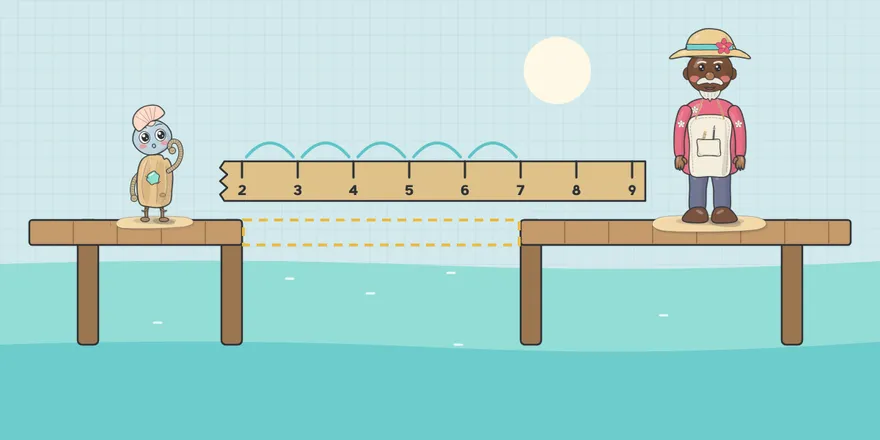
Measuring Length: Why the Ruler Doesn't Have to Start at Zero
Many children simply read the number at the end of the ruler. What research on measuring length shows, why the broken ruler task matters and which activities help.
From the workshop
Insights, updates and tips from our team.
Latest Post
Many children simply read the number at the end of the ruler. What research on measuring length shows, why the broken ruler task matters and which activities help.
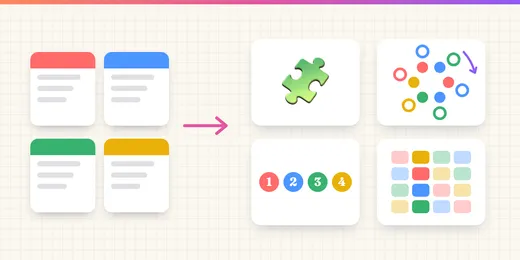
What research knows about cooperative learning structures, when jigsaw, inside-outside circle, numbered heads or think-pair-share fit, and what makes them work.
Number reversals are common in German because the ones are spoken before the tens. What research shows, what it means for English and what helps.
The clocks go back on 25 October 2026. How to explain the change to children, clock games about hours and elapsed time, and what research says about sleep.
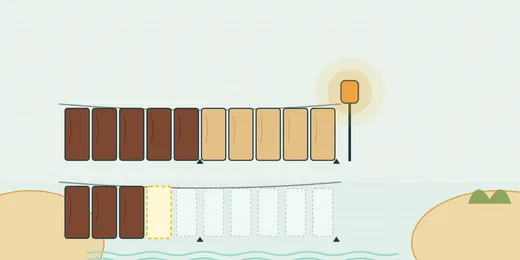
Make ten, near doubles, the power of five, compensation: which bridging ten strategies help and why children need more than one way.
Doubles, near doubles, make ten: how children derive addition facts instead of counting, and how our new German-only app Lichterwald practises it.
Six preschool maths games for comparing quantities: muffin tin, fruit bowl, picture book, dot cards, board game and blocks, each backed by research.
German nursing vocabulary for your first week: 50 words with their articles, grouped by ward situations, and how to learn them in five days so they stick.
Learning plans and GDPR: why individual learning plans often contain health data under Art. 9 GDPR, who sets the rules and which principles help day to day.
Practising subitizing with quick looks but no time pressure: what research says about viewing time, anxiety and pace, and how we approach it in a new app.
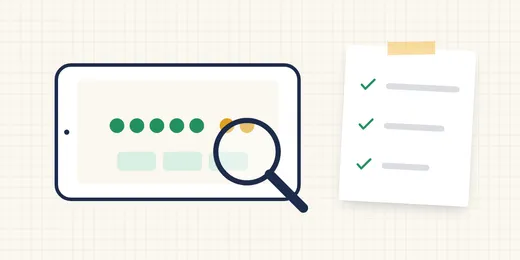
What studies of children's educational apps show about learning, distraction, ads and privacy, plus a twelve-question checklist you can use in ten minutes.
Understanding place value means more than naming tens and ones. What research says about grouping, ungrouping and base-ten materials.
Why counting-out rhymes sound alike in many languages, how rhymes relate to learning to read, and how random 'eeny, meeny' really is – with a worked example.
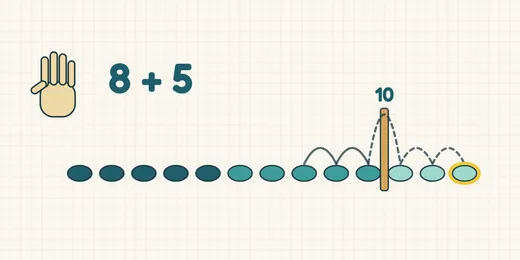
Why bridging ten trips up so many children, what the counting trap is, and what research says about moving from counting to calculating.
How to write an individual learning plan that is actually used: what research on IEPs and learning plans shows, and how to make goals short, specific and measurable.
Times tables in Year 2: a six-week plan for parents and teachers, from what “times” means to core facts, derived facts and fluent recall, in ten minutes a day.
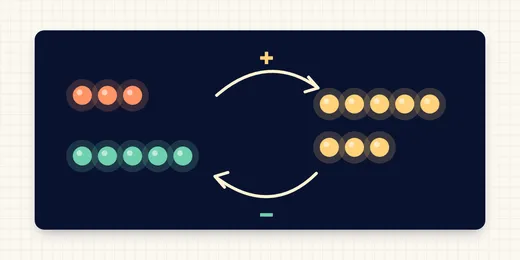
If you know 3 + 5 = 8, you also know 8 − 5 = 3. What research says about the inverse relation, why fact families are more than a worksheet, and how to practise.
Preceptorship for internationally educated nurses: how to check understanding, practise phone calls and documentation, and hand over the language of the ward step by step.
Colour-blind children learn as well as their peers, but colour codes slow them down. Why shape and colour belong together, and how Number Pirates does it.
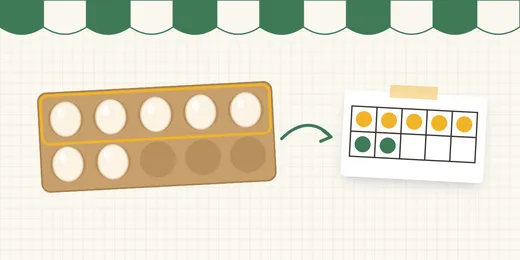
A ten-egg box is a ten frame: two rows of five. What research says about structure and maths manipulatives, and how to practise with one at home.
Quarter past three, quarter after three, Viertel vier: how English and German name the quarter hours, where each form is used and what it means for children.
Random, teacher-assigned, mixed-ability, friendship groups or counting off: what research says about group composition and when each method fits.
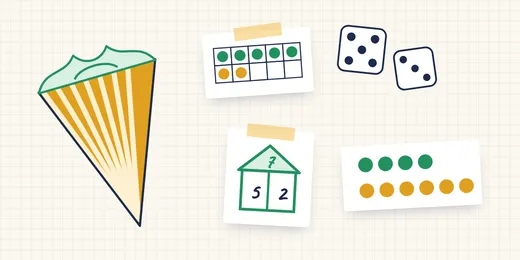
Counting to 100 is nice, but it is not what matters most. The maths basics that really count at the start of year 1 (first grade) and how parents can help.
Subitizing: even two-year-olds recognise small amounts without counting. How it develops, what it says about later maths, and how to practise it at home.
Ene Mene Miste turns a list of names into fair, random teams for class, practice or parties. Offline, no account, and skill ratings stay private.
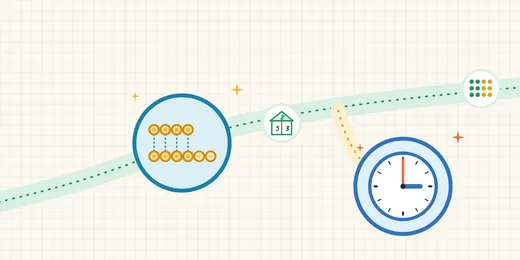
Since 7 August, Mengenpiraten and Tinu Time are available. Where both apps sit on the learning path, which ages they are for and what they do not do.
Number Pirates is on the App Store for iPad: children aged 5 to 8 roll, place coins, compare and capture the difference. What the app does and doesn't do.
Tinu Time is on the App Store: telling the time in nine steps, fully narrated, in six languages. What the app does, who it is for and what it doesn’t do.
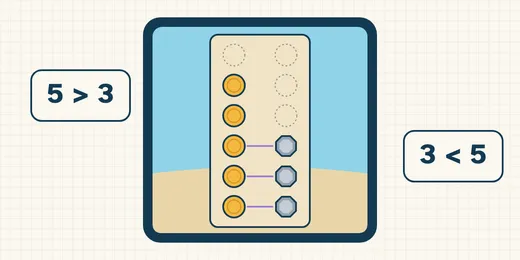
Partner maths games: what research on peer learning and maths talk shows, and why our comparing game brings two children to one iPad.
What makes a learning app accessible? What research says about dyslexia fonts, colour blindness in children and motion, and which options Droptiply offers.
Colour-coded clock hands for telling the time: what research says about colour as a learning aid, why blue and orange work with colour blindness, and its limits.

What children should know about numbers before starting school, what research says about early maths skills, and why worksheets and sums can wait.
When children pick teams, the whole class watches a ranking. What research says about being picked last, and fairer ways to form teams at school.
Does your first language help or hold you back when learning German for nursing? What research says, and why PflegeMate explains terms in several languages.
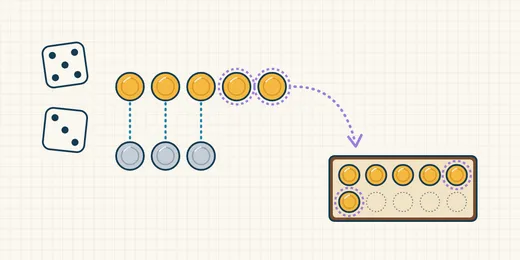
A comparing quantities game: roll, place coins, compare, capture the difference. Our game idea and what research says about learning games.
In German, „halb vier“ means 3:30, but in British English „half four“ means 4:30. Why half past trips children up and how to explain it when telling the time.
Quantities, number bonds, bridging ten, place value, times tables: why primary maths has an order and which steps already exist as an app.
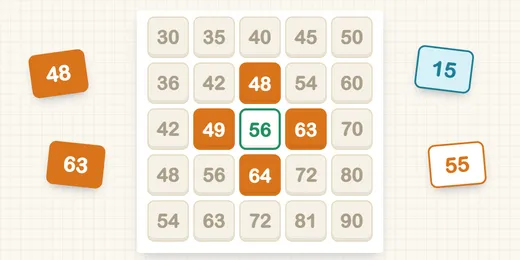
7 × 8 = 48, 3 × 4 = 7, 0 × 5 = 5: times tables mistakes follow patterns. What research says about them and how parents and teachers can read them.
Greater than and less than signs: what research says about >, < and =, why the alligator trick is not enough, and which sentences help children.
Why children should learn to tell the time in steps, why the analogue clock comes first, and the nine-step learning path we are building for Tinu Time.
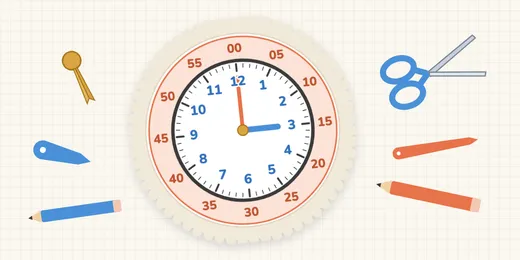
How to make a paper plate clock with colour-coded hands and a minute ring, plus six games that help children learn to tell the time.
Comparing amounts is a foundation of arithmetic. What research says about more or less, one-to-one correspondence, and how children can practise.
Practising times tables the smart way: why spaced practice and retrieval beat cramming, and how Droptiply brings back the facts a child isn't sure of yet.
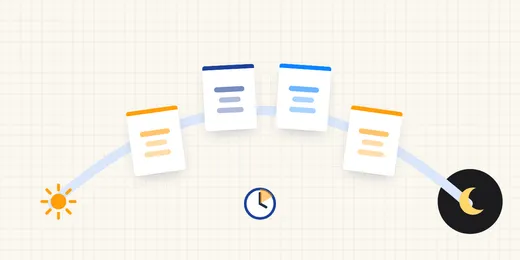
Learning German while working shifts means little time and often little sleep. What research says about sleep, memory and spaced learning – and how to plan study time wisely.
O’clock at about 6, to the minute at about 10: what studies say about when children can tell the time, and why teaching matters more than age.
If a maths app requires reading, it tests reading, not maths. What research says and how apps can work for children who cannot read yet.
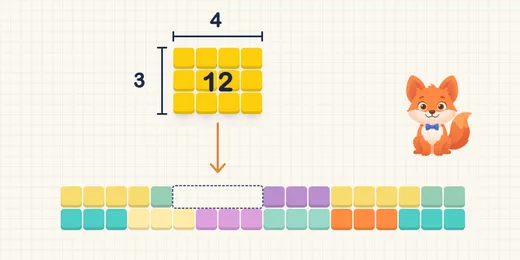
Droptiply is on the App Store: every times tables fact is a block sized by its two factors. What the app does, who it’s for and what it doesn’t do.
How do you keep a child motivated to practise times tables without a stopwatch? What research says about motivation, visible progress and timed tests.
Two hands, two scales, 12 and 60, plus “quarter to”: what children have to juggle when learning to tell the time, and what research says about it.
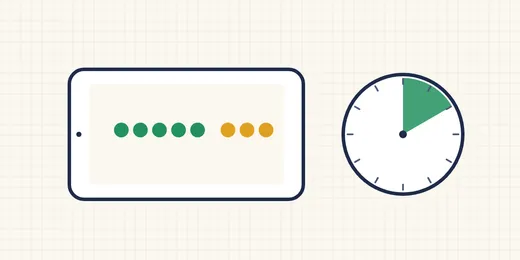
What the WHO and paediatricians recommend on screen time, how solid the numbers are, and why quality matters as much as minutes for learning apps.
A times tables game that makes sense: why a block’s size is the multiplication fact in our game, what research says about learning games, and what we do differently.
For many international nurses, the shift handover is the hardest conversation of the day in German. How handovers are built linguistically, where it goes wrong and how to practise.
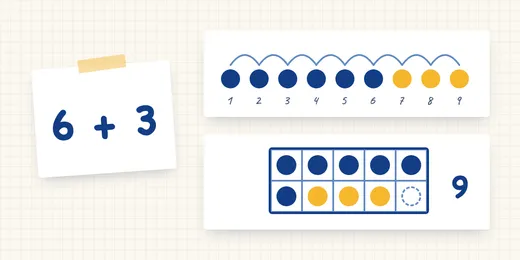
Is your child still counting to add halfway through their first school year? What's typical at this age, when it's worth a closer look, and what helps now.
Multiplication arrays show times tables as rectangles: how they make turnaround facts and splitting visible, why children must learn to read them, and how to practise.
Enactive, iconic, symbolic: why children learn maths through doing, pictures and symbols, what manipulatives achieve and what concreteness fading means.
Maths difficulties, maths learning disorder, dyscalculia: what the terms mean, how specialists diagnose dyscalculia and what kind of help works.
PflegeMate is on the App Store: a language learning aid with German nursing terms, pictures, translations and three example sentences per word. What it does and doesn't do.
Core multiplication facts with 1, 2, 5 and 10 unlock all 100 times tables facts. What research says about derived facts, and how to practise them at home.
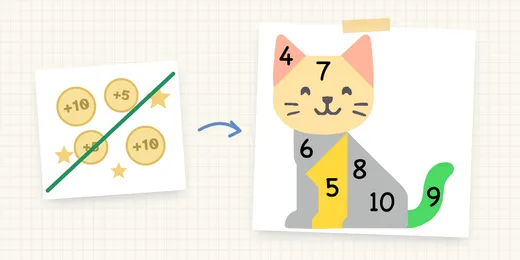
Why Zahlzerlegung gives no points, coins or streaks but colours in a tangram animal instead – and what research on rewards in learning apps says about it.
Do rewards kill the joy of learning? What research says about praise, points, badges and daily streaks, and what parents can look for in learning apps.
Children should eventually know their times tables by heart. Why the route there runs through arrays, anchor facts and derived facts, not rote drilling.
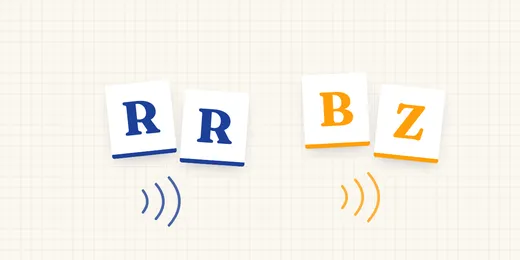
Abbreviations are everywhere in nursing, and even professionals often misread them. What studies show, and how to learn German abbreviations the way they are spoken.
Beans, a cup, an egg box: seven simple games to practise number bonds at home with everyday things, and what research says about why they work.
What children really need after a mistake, what research says about feedback and a positive error culture, and why we are moving away from red.

Children should eventually know their number bonds to 10 instantly. The surest way there runs through understanding, deriving and spaced practice.
German articles are the most stubborn hurdle, even for very good learners. What research on grammatical gender shows and why we only ever say nouns with their article.
Mistakes are part of learning maths. What matters is what happens next. What research says about good feedback, and how Zahlzerlegung handles errors.
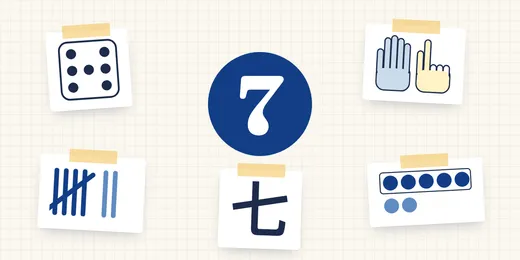
Your child spots six on a die instantly but counts six fingers one by one? Why different quantity pictures help, and how to switch between them well.
We can see up to four things at a glance. Beyond that, structure helps: seven as five and two. What research says about subitizing, ten frames and the power of five.
Number bonds should become automatic, but time pressure can get in the way. Why our app measures recall speed without hurrying a child.
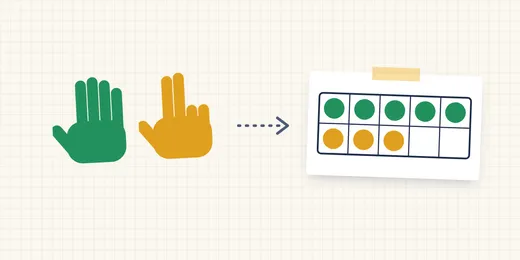
Fingers are a good aid when children learn to add. Counting only becomes a risk when it gets stuck. How to tell the difference and what helps.
Our first app is out: Zahlzerlegung practises number bonds to 10 with children aged 5 to 7. What it does, what it deliberately leaves out, and who it is for.
A number house holds every number bond of a number. How to use it, where it falls short, and why its basic part-whole shape guides our first app.
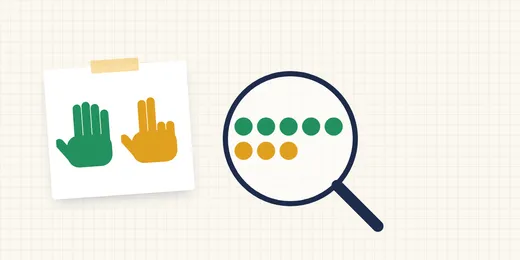
How parents and teachers can spot maths difficulties and possible dyscalculia in first and second grade, what is normal, and which support works.
A child who knows that 8 is made of 5 and 3 doesn't need to count. Why number bonds and part-whole thinking are the foundation of confident arithmetic.
Maths anxiety often starts in first and second grade. How it develops, who it affects, what role adults play and what research shows actually helps.
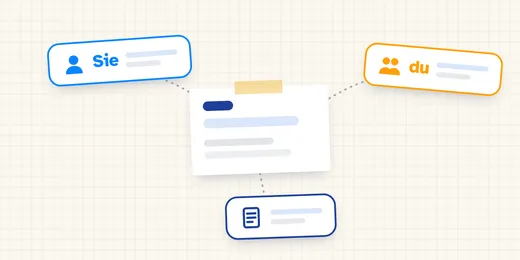
Learning German for nursing means saying the same word three ways: to the patient, to a colleague, to the doctor. What language research says and the idea it led to.
We started with the language of internationally educated nurses. Now we are building primary maths apps. What the two have in common, and why.
B2 certifies good general German. On the ward, nurses also need medical terms, abbreviations, handover talk and documentation – a register of its own.

One in six nurses in Germany holds a foreign passport. Where they come from, why they come and what the first years in Germany look like.
Nurses trained abroad have to pass three gates to work in Germany. Two of them are tested – the third decides what everyday life on the ward feels like.
Almost one in five nurses in Germany holds a foreign passport. What makes the first weeks on the ward so hard – and what research shows actually helps.